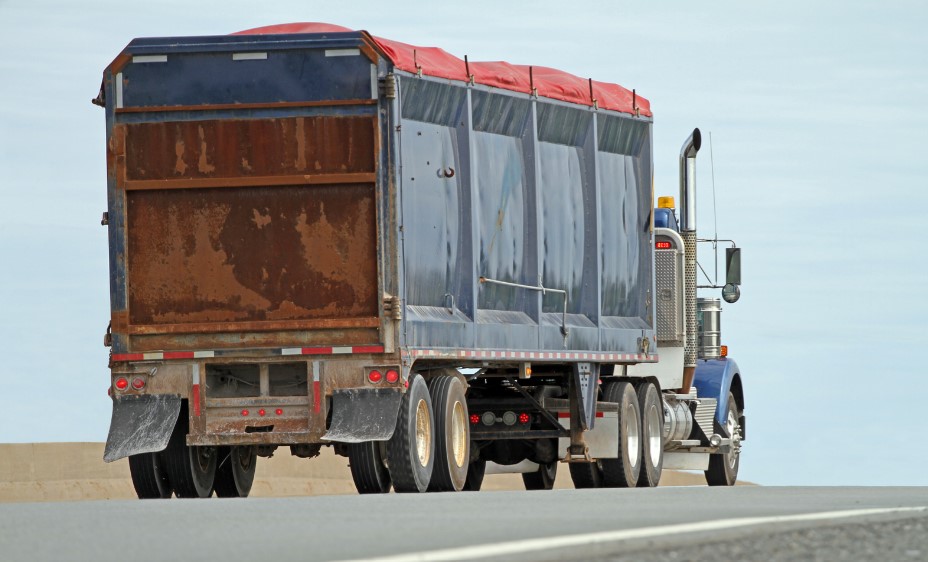
A $3.6M Term Loan Transforms Garden Waste Recycling Facility
Background
Our client, a pioneering company in the garden waste recycling industry, found itself at a crossroads. With...
Read More
Clearing House in 60 Days
Have you ever noticed that when you move, you finally realize how much you have around the house? The same thing can...
Read More
LATEST STORIES

Trussing a Path to a Buyout: A Success Story
Introduction
In the ever-changing world of finance and banking, being quick on your feet and having great colleagues can help you tackle challenges and grab opportunities. This was shown in a recent loan we provided with our industry friends, which helped our construction woodworking client buy out...
Read More

Taking Flight With a $2.5M Loan
Introduction
Transitional periods can put businesses in a holding pattern that can either hinder growth or prevent it completely. An Aerospace company, specializing in mission-critical alloys, was facing just that situation.
Challenges
The company was in transition due to a restructuring and needed...
Read More
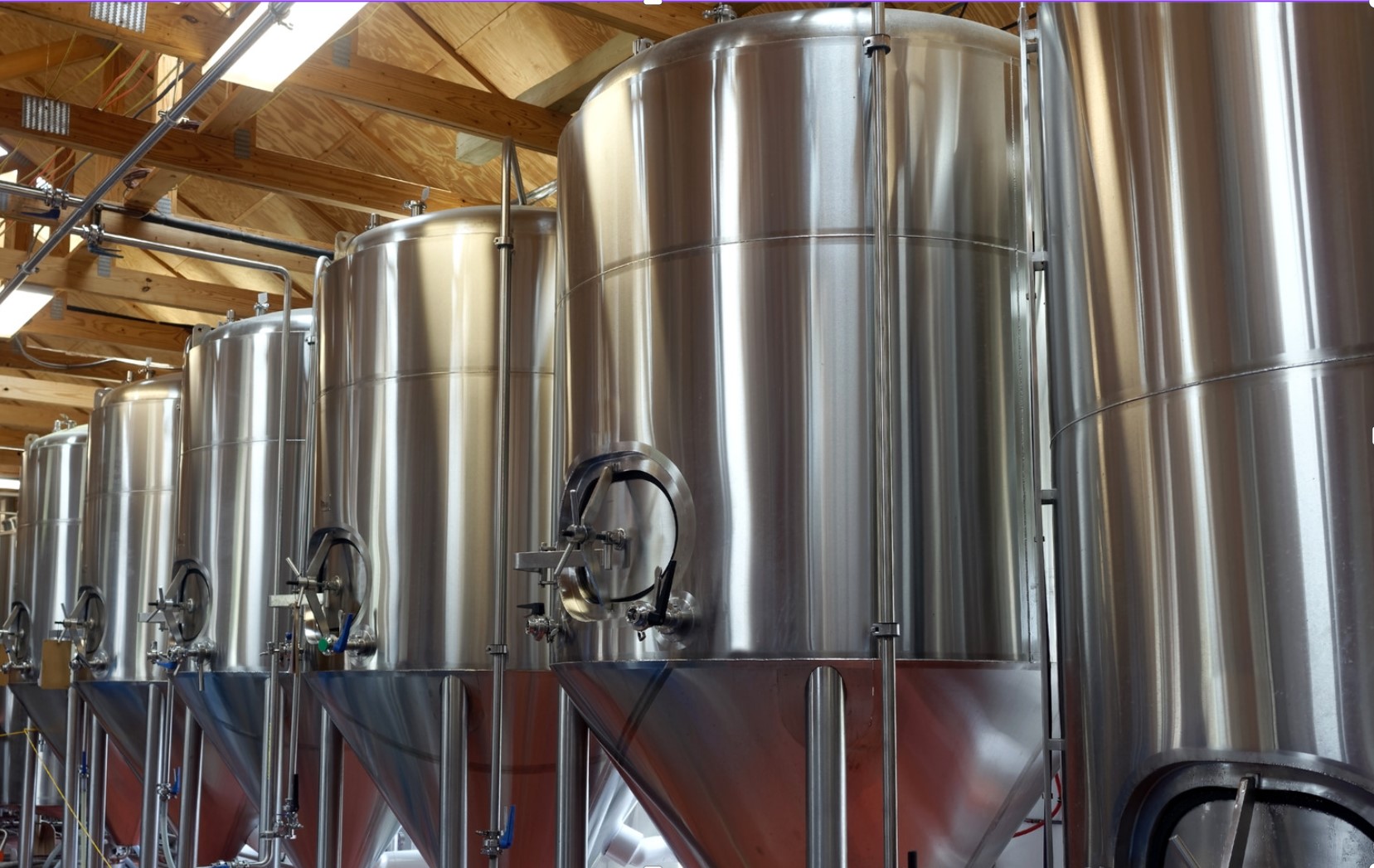
Loeb Suits Up to Offer Expertise for Client
Our natural habitat may look more like factories and plants, but we’ve been known to suit up for important occasions.
When a multiple location brewery went out of business, they relied on us for a pivotal evaluation. The court sale was a complex case that required a knowledgeable resource to move...
Read More
Working With Loeb + Making an Offer = The Perfect Formula
When a business was looking to purchase an ongoing plant, Loeb helped them formulate the right offer.
Missed opportunities can sting. You might find yourself wondering “what if?” However, when you’re running a business, there’s no time to dwell on what might have been. Instead, you need to...
Read More

Appraisals Hot Out of the Oven, Fresh and Fast!
The clock was ticking, and the pressure was on. We had a partner who needed a quick turnaround on an appraisal for a pretzel manufacturer. It wouldn’t be easy, but it wasn’t impossible either – we were confident in our team’s ability to get the job done right and fast.
Our...
Read More
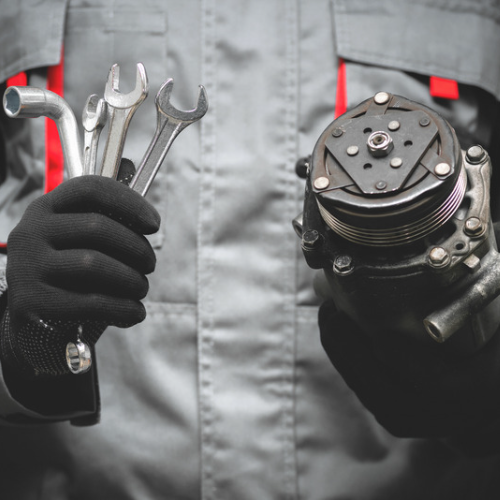
Idling Auto Mechanic School Gets Jumpstart From New Owner… and Us!
A few years ago, an auto mechanic training school was idling without any vision for growth. The new owner had a master plan to involve future employers in the training process, but the school needed funds to make the dream a reality. That’s where we came in! We were able to provide a $1.5...
Read More

In Q3 2022, We Were Busy Funding Over $9.3mm in Asset-Based Loans!
In Q3, we helped a number of companies in their transitional financial state (both through our partners and directly) that don’t meet standing banking criteria with asset-based loans on their machinery. This allowed the companies in their business endeavors with working capital to...
Read More
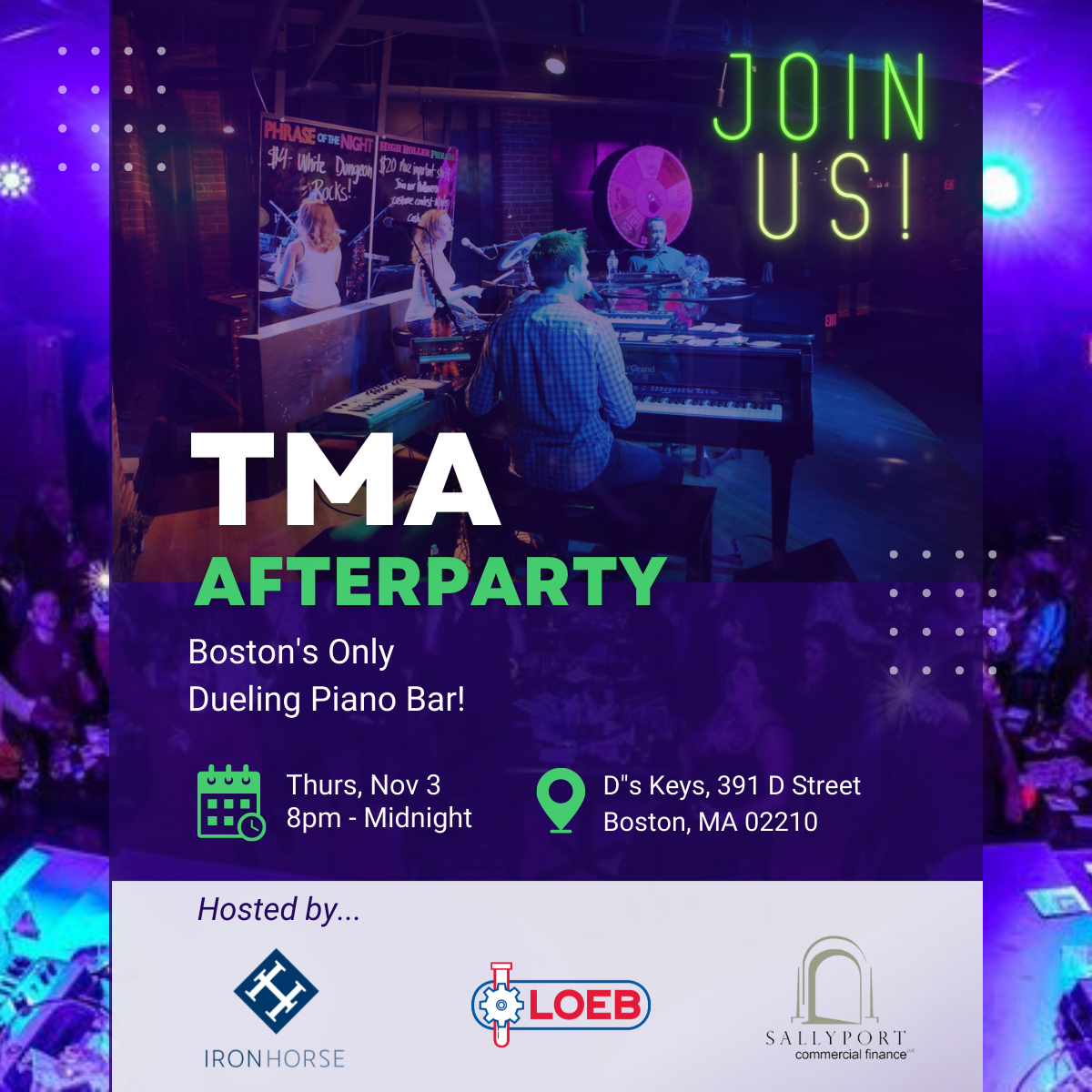
Join Loeb, Sallyport, Iron Horse Credit for the TMA’s Unofficial Afterparty
After a long day of sessions at the TMA annual conference, what better way to unwind than by joining Loeb, Sallyport Commercial Finance, and Iron Horse Credit for the unofficial afterparty? This year, we’ll be raising the roof at D’s Keys, where dueling pianos will be providing...
Read More
Loeb Announces Mary Jane Anderson as Vice President of Accounting and Finance
Mary Jane Anderson has joined the team at Loeb as Vice President of Accounting and Finance. Mary Jane has more than 20 years of experience leading accounting and finance teams and managing large loan portfolios. Mary Jane is excited to join the team at Loeb and looks forward to helping...
Read More
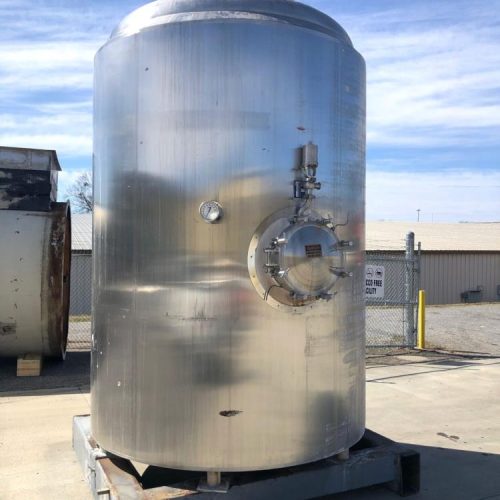
Fill ‘Er Up!
A large oil company needed a 2,500 gallon jacketed tank—quickly. With supply chain issues, they were looking at an 8-month-plus wait time—until they checked with Loeb. We had a tank in stock and ready for them within days. This unit saved the day and the oil company was able to meet product...
Read More

Patience is a Virtue When it Comes to Long-Distance Transport
An American grain and cereal facility recently sold one of its oat-drying ovens. The buyer was over 8,000 miles away. The trip from Missouri had some obstacles, though. Once it made it to Vancouver, the $450,000 oven had to wait for a ship with top deck space available before it could make the next...
Read More

Loeb Continues to Strengthen and Grow Its Machinery and Equipment Lifecycle Business With 3 New Hires
As an industry leader in the lifecycle management of industrial manufacturing equipment and machinery, we continue to fortify our team to better assist our clients, customers, and referral partners with the hiring of Scot Lund (Senior Vice President), Chad Doucette (Asset Evaluator), and Barry...
Read More
